Visual Progress: Before and After Scoliosis Treatment

Updated: Aug 21
Scoliosis affects millions of people worldwide, often leading to discomfort, pain, and a noticeable curvature of the spine. For many, the journey to treatment can be daunting, filled with uncertainty and questions about what to expect. However, the visual progress made through treatment can be incredibly inspiring. This blog post will explore the transformative effects of scoliosis treatment, showcasing before and after images, and providing insights into the treatment process.
Understanding Scoliosis
Scoliosis is a condition characterized by an abnormal lateral curvature of the spine. While it can develop at any age, it is most commonly diagnosed in children and adolescents. The exact cause of scoliosis is often unknown, but it can be classified into several types:
Idiopathic Scoliosis: The most common form, with no known cause.
Congenital Scoliosis: Resulting from a malformation of the spine during fetal development.
Neuromuscular Scoliosis: Associated with conditions like cerebral palsy or muscular dystrophy.
Symptoms of Scoliosis
Individuals with scoliosis may experience a range of symptoms, including:
Uneven shoulders or hips
A prominent rib cage on one side
Back pain or discomfort
Difficulty breathing in severe cases
Recognizing these symptoms early can lead to timely intervention and treatment.
The Importance of Early Diagnosis
Early diagnosis of scoliosis is crucial for effective treatment. Regular check-ups during childhood and adolescence can help identify any spinal abnormalities. Parents and guardians should be vigilant for signs of scoliosis, especially during growth spurts.
Screening Methods
Healthcare providers often use the following methods to screen for scoliosis:
Physical Examination: Observing the back for asymmetry.
Adam's Forward Bend Test: The patient bends forward while the examiner looks for unevenness in the back.
X-rays: To measure the degree of curvature.
Treatment Options for Scoliosis
Once diagnosed, several treatment options are available depending on the severity of the curvature and the age of the patient. Here are the most common approaches:
Observation
For mild cases, especially in children who are still growing, doctors may recommend regular monitoring to see if the curvature worsens.
Bracing
For moderate scoliosis, especially in growing children, a brace may be prescribed. The brace helps to prevent further curvature of the spine as the child grows.
Physical Therapy
Physical therapy can be beneficial for strengthening the muscles around the spine and improving posture. Specific exercises can help alleviate discomfort and improve overall spinal health.
Surgery
In severe cases, surgical intervention may be necessary. The most common procedure is spinal fusion, where the curved vertebrae are fused together to correct the alignment.
Visual Progress: Before and After Treatment
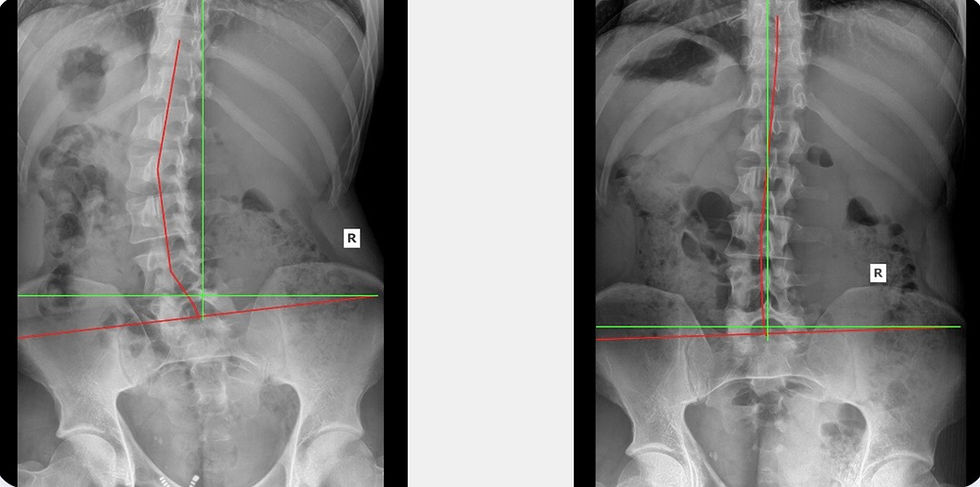
One of the most compelling aspects of scoliosis treatment is the visual transformation that can occur. Many patients experience significant improvements in their spinal alignment, posture, and overall quality of life.
Case Study: A Patient's Journey
The Impact of Treatment
The visual progress is not just about the physical changes; it also reflects improvements in confidence and self-esteem. Many patients report feeling more comfortable in their bodies and more willing to engage in social activities.
The Role of Support Systems
Throughout the treatment process, having a strong support system is essential. Family, friends, and healthcare providers play a crucial role in encouraging patients and helping them stay motivated.
Emotional Support
Scoliosis can take an emotional toll on patients. Support groups, counseling, and open communication with loved ones can help individuals cope with the challenges they face.
Educational Resources
Access to educational materials about scoliosis can empower patients and their families. Understanding the condition and treatment options can alleviate fears and uncertainties.
The Future of Scoliosis Treatment
As research continues, new advancements in scoliosis treatment are emerging. Innovations in bracing technology, surgical techniques, and physical therapy methods are improving outcomes for patients.
Research and Development
Ongoing studies are exploring the genetic factors contributing to scoliosis and the effectiveness of various treatment modalities. This research aims to provide more personalized treatment plans for patients.
Conclusion
The journey through scoliosis treatment can be challenging, but the visual progress made is often remarkable. From initial diagnosis to treatment and recovery, patients can experience significant improvements in their spinal alignment and overall well-being.
If you or someone you know is facing scoliosis, remember that early diagnosis and a supportive treatment plan can lead to positive outcomes. Stay informed, seek support, and embrace the journey toward a healthier spine.


Comments